How Barry Patel and Wade Smith Turned a Classical Medication Model Into a Modern Patient-Care Engine

Contributor
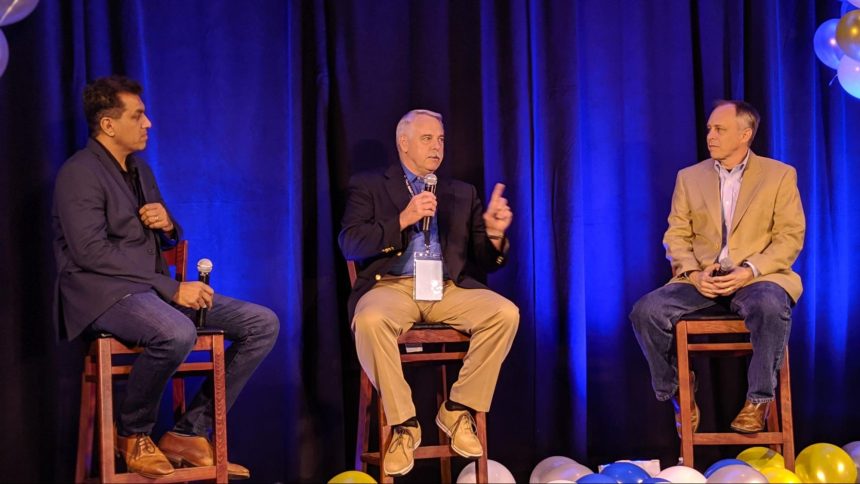
The pharmaceutical industry has a bias toward novelty. Newer compounds command higher prices, generate more research interest, and attract more marketing investment. That bias has left a meaningful category of medications underutilized: older, clinically proven drugs that work, cost less, and carry fewer risks than their modern replacements. Barry Patel and Wade Smith built Galt Pharmaceuticals to bring them back, and built Galt Phranchise Systems to make sure those medications actually reach the patients who need them.
Barry Patel and Wade Smith are the co-founders of Galt Companies, which encompasses Galt Pharmaceuticals and Galt Phranchise Systems. The pharmaceutical division focuses specifically on classical medications that address two of the most common and consequential clinical challenges in primary care: non-addictive pain management and insomnia. Both categories have been significantly shaped by the opioid crisis and by growing awareness of the risks associated with certain commonly prescribed sleep aids. The clinical case for better alternatives has never been stronger.
Bringing a classical medication back to market requires navigating the same regulatory environment as any pharmaceutical product. The Galt team has done that work deliberately, with a focus on clinical evidence and patient outcomes rather than on patent exclusivity or marketing advantage. The result is a portfolio of medications with established safety profiles, clear mechanisms of action, and genuine unmet need driving demand. Getting those medications to patients requires a distribution model that reaches the community physicians and independent pharmacists who serve the patients who need them most. That is the function Galt Phranchise Systems was created to fill.
The system works because the incentives are designed correctly. A Galt franchisee is a business owner with a territory, a brand, a product portfolio, and the full infrastructure support of a franchisor behind them. One franchisee who made the transition from corporate pharmaceutical sales captured the distinction precisely: “For the first time, I’m not just hitting quota for a CEO I’ve never met. I am building equity in a territory I own.” That ownership mentality compounds over time. A Louisiana franchise expanded from two territories to ten. A Georgia franchise grew from two to seven. Around 40% of franchisees now hold multiple territories, and the path from introduction to launch runs 30 to 60 days. Chief Franchise Advisor Mike Harley has been instrumental in developing the operational infrastructure that makes that onboarding timeline possible, ensuring new franchisees are equipped and supported from day one.
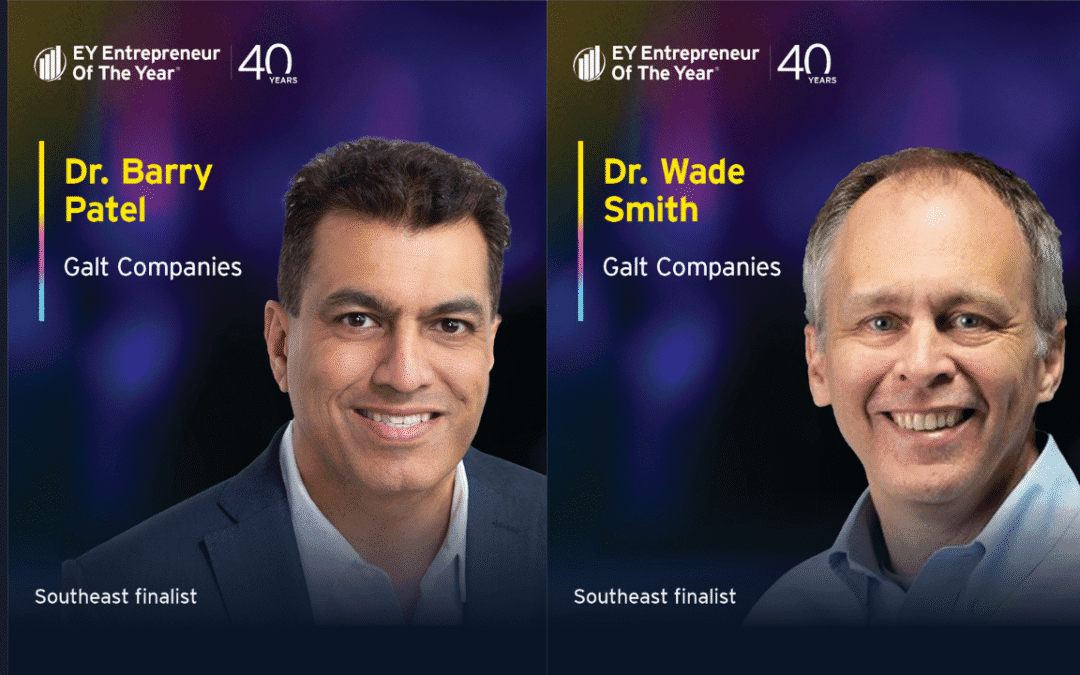
Galt Pharmaceuticals is also actively expanding its clinical pipeline. Several medications in the current portfolio have potential applications beyond their FDA-approved indications, and the team has plans for clinical trials to pursue expanded approvals. Those approvals would allow existing medications to help additional patient populations without requiring entirely new development investments. The business model Barry Patel and Wade Smith built is ultimately an argument about what pharmaceutical distribution should look like when organized around patient access rather than corporate efficiency. That argument is gaining traction, as evidenced by the growth of the franchise network, the strength of multiple complementary sales channels, and the recognition both founders received as Entrepreneur of the Year finalists in 2025.
This article was written by Dr. Natalie Rhodes and originally published on MedWorld News.